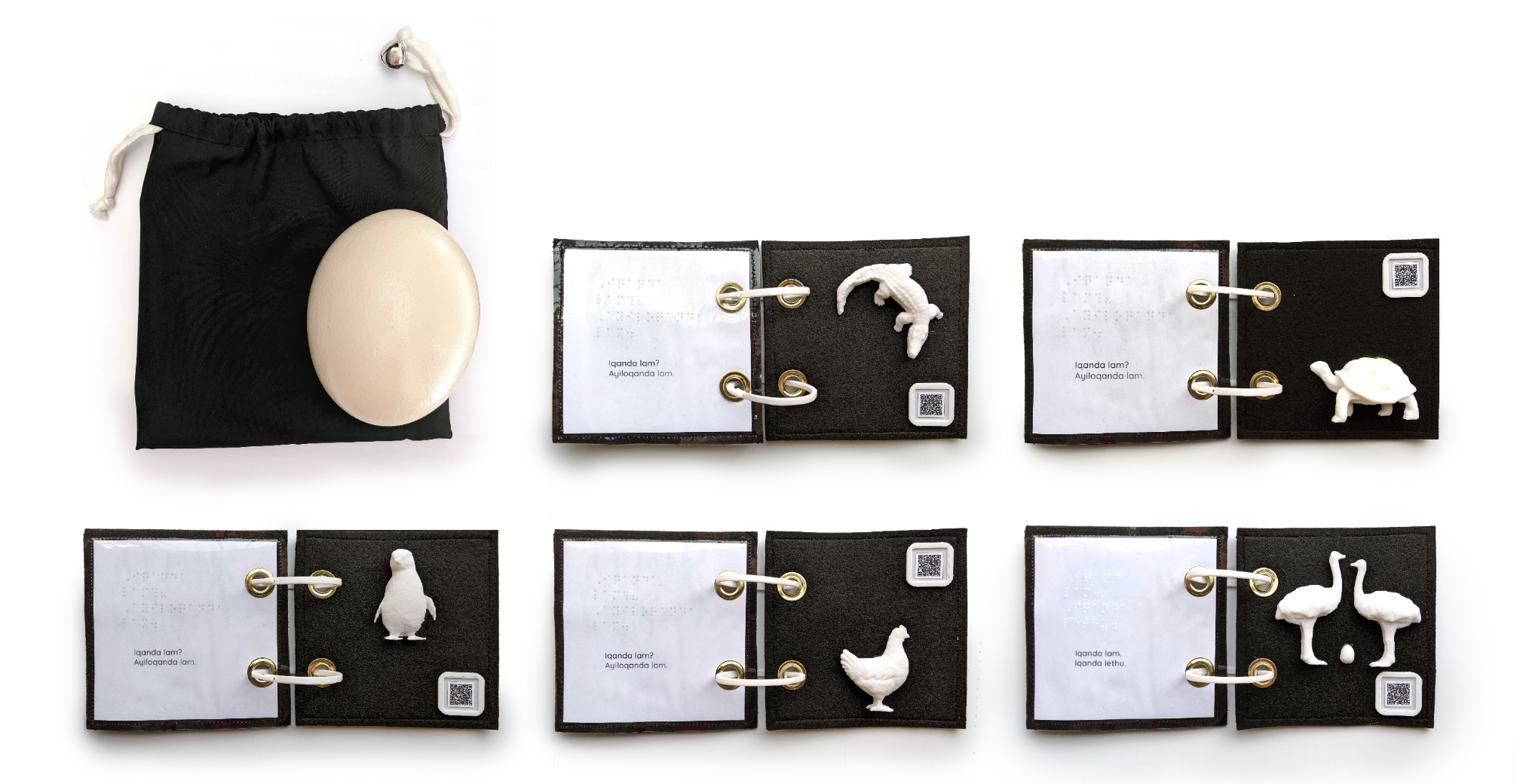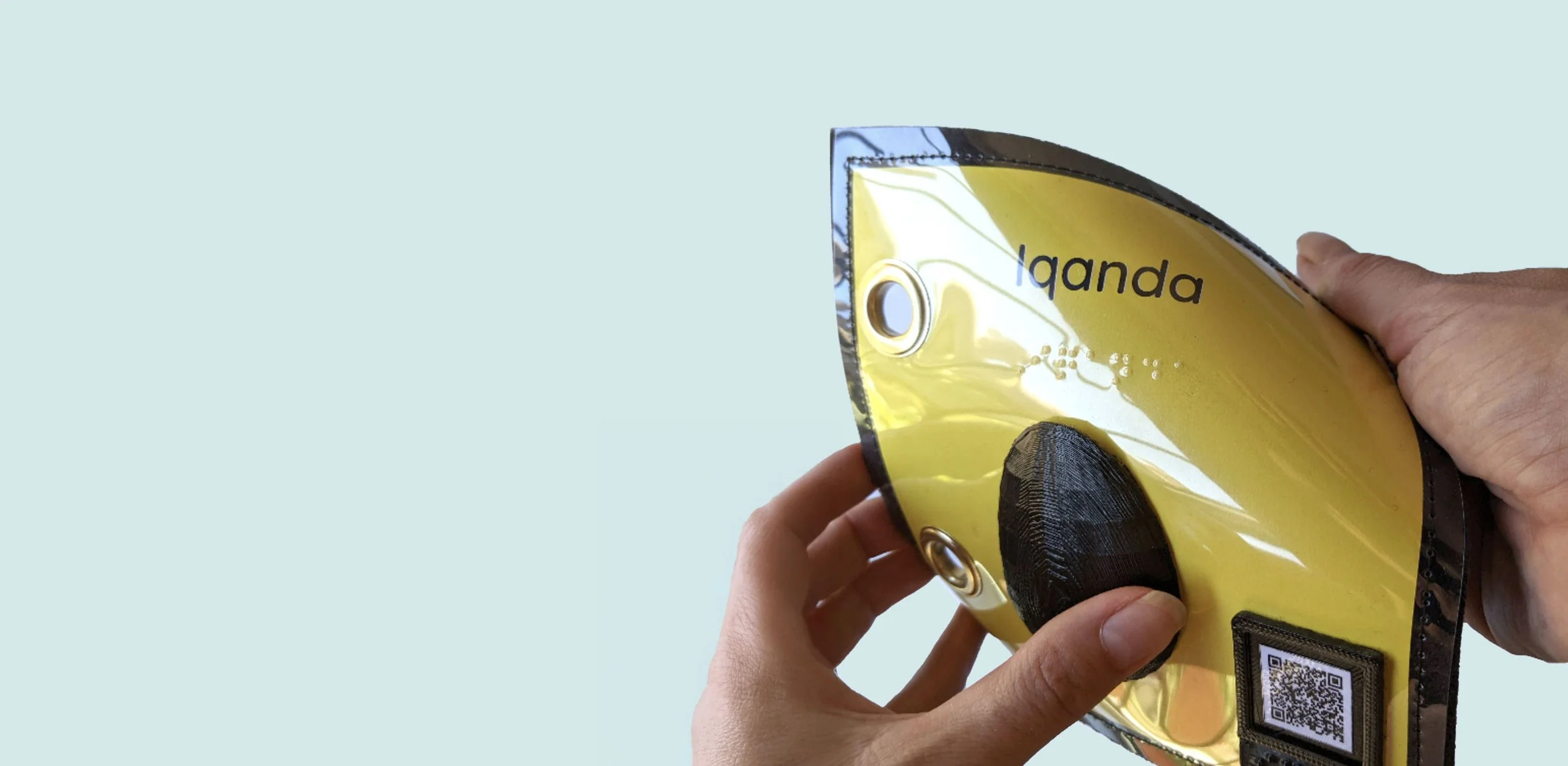
Egg/Iqanda
Visually impaired children in South Africa face a critical shortage of accessible learning materials in their native languages.
Visual impairment is the most prevalent disability in South Africa and more than 20 000 visually impaired learners are enrolled in mainstream schools throughout South Africa. The production of tactile picture books for visually impaired children is often specialised, expensive and time consuming.
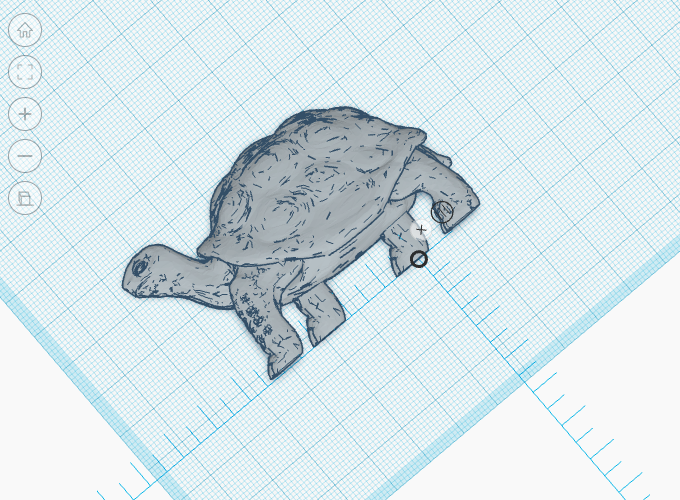
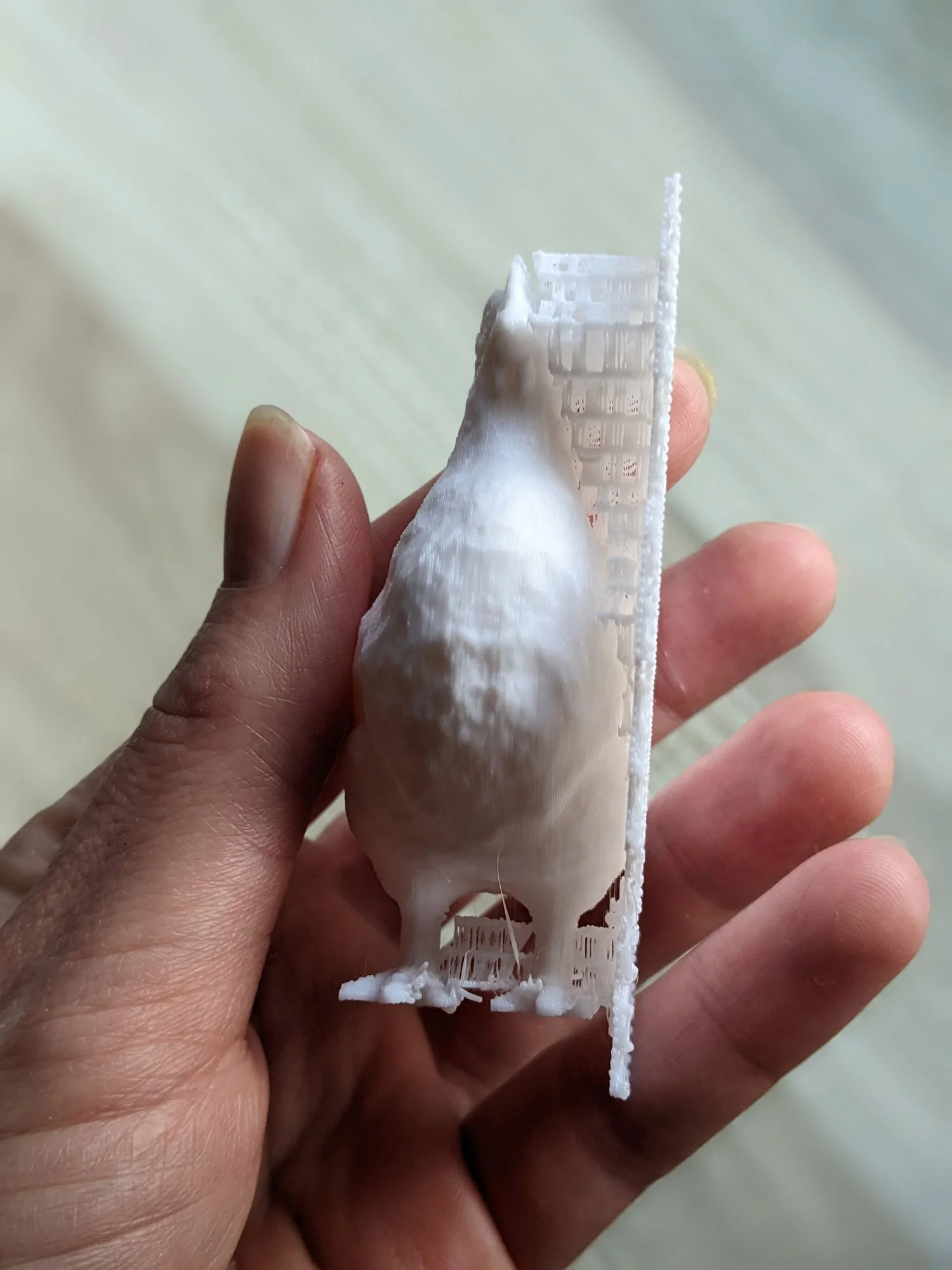
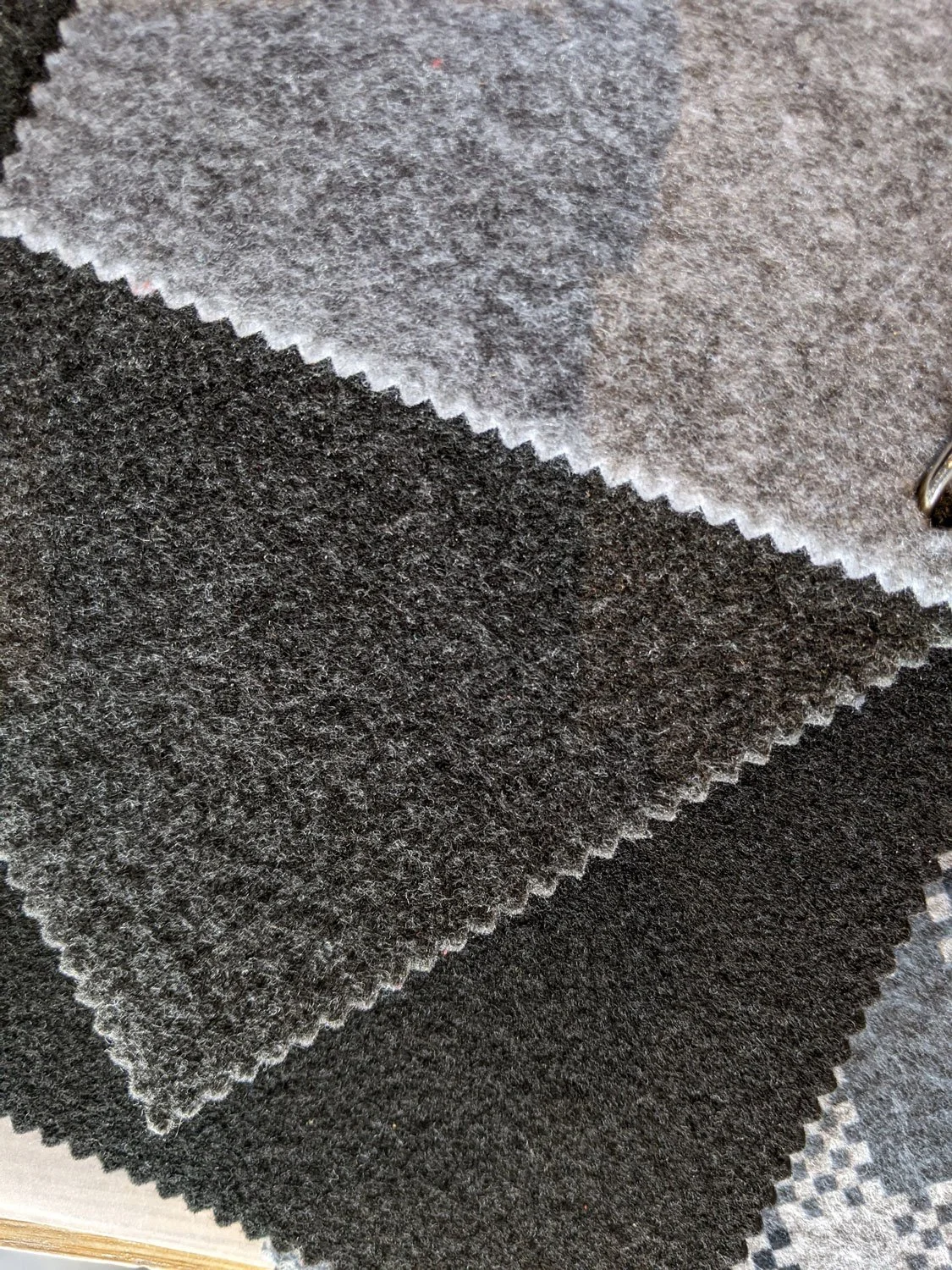
During my Master of Arts (Design) study at the University of Johannesburg, I developed a faster, cheaper way to reproduce tactile picture books by utilising 3D-printed graphics and simplified page construction. Uncontracted braille and large print pages are produced separately from accompanying tactile illustrations, making it easier to produce one story in multiple languages. Locally manufactured, water-resistant rPET felt pages with robust binding allow books to open flat. rPET felt is produced from recycled PET plastic bottles. Where relevant, sounds are embedded in QR codes, adding to a multisensory reading experience.
In 2024, the tactile adaptation of Egg won a gold Pendoring in the student publication category.